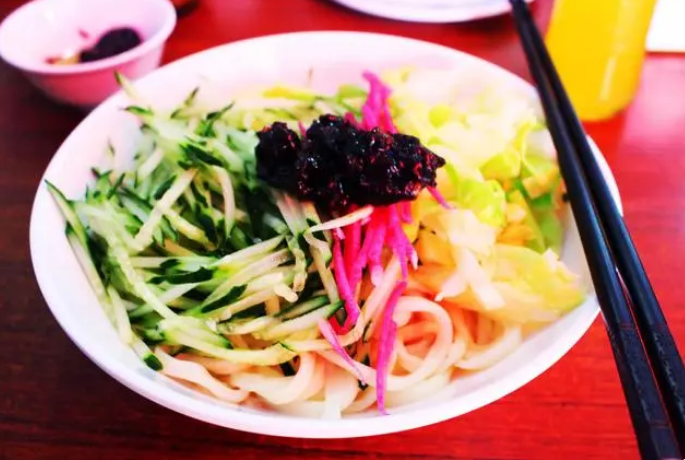
Beijing Fried Sauce Noodles
Introduction
Beijing fried sauce noodles, known in Chinese as Zhajiangmian, are a quintessential dish in Chinese cuisine, particularly popular in northern China. The dish is celebrated for its savory, rich sauce and hearty texture, making it a beloved comfort food for many. Zhajiangmian combines chewy, wheat-based noodles with a thick, flavorful bean paste sauce, typically enriched with ground pork or beef. The dish's simplicity lies in its delicious contrast between the robust, umami-packed sauce and the plain, yet satisfying noodles. While traditionally associated with Beijing, fried sauce noodles have gained widespread popularity across China and internationally, becoming a staple in Chinese restaurants worldwide. The dish is not only a culinary delight but also a representation of Chinese culture and heritage, reflecting the fusion of flavors and cooking techniques that are central to Chinese gastronomic traditions.
History
The history of Beijing fried sauce noodles can be traced back to the Qing Dynasty (1644-1911), although the exact origins remain undocumented. Zhajiangmian originally emerged as a staple food in the rugged terrains of northern China, where wheat was more abundant than rice. The dish was designed to be both nourishing and cost-effective, ideal for the working class. Over time, as Beijing became the political and cultural center of China, the dish gained prominence and evolved, incorporating local flavors and ingredients.
As the capital city embraced a diverse demographic, Zhajiangmian adapted, reflecting influences from different Chinese regions. It became a focal point in Beijing's culinary scene, symbolizing the city's rich cultural tapestry. The sauce, initially just a blend of fermented soybean paste, has been refined over centuries, incorporating new ingredients like garlic, ginger, and spring onions. These additions enriched the flavor profile, making it a cherished dish across various social strata.
During the 20th century, with the spread of Chinese diaspora, Beijing fried sauce noodles found their way to international shores. Chinese immigrants introduced the dish to new audiences, making it a staple in Chinatowns around the globe. Its versatility and satisfying taste have ensured its ongoing popularity, and today, Zhajiangmian continues to be a celebrated dish both in China and abroad.
Ingredients
The ingredients used in Beijing fried sauce noodles are straightforward yet critical to achieving the dish's distinctive flavor. The core components include:
-
Noodles: Typically, wheat-based noodles are used, offering a chewy texture that complements the rich sauce. The noodles are often hand-pulled or freshly made to enhance the dish's authenticity.
-
Fried Sauce (Zhajiang): The heart of the dish is the fried sauce, made primarily from fermented soybean paste (also known as yellow soybean paste or sweet bean sauce). This paste forms the base of the sauce, providing a deep, umami flavor.
-
Meat: Ground pork is the traditional choice, though beef or chicken can also be used. The meat is cooked with the paste, infusing it with flavor and adding a rich, hearty element to the sauce.
-
Aromatics and Seasonings: Garlic, ginger, and scallions are commonly used to enhance the sauce's flavor. Soy sauce and sometimes a touch of sugar are added to balance the saltiness of the bean paste.
-
Vegetables: While optional, vegetables like cucumber, bean sprouts, and carrots are often used as garnishes. These provide a refreshing contrast to the robust sauce and add a layer of texture to the dish.
Preparation
Noodle Preparation
The preparation of the noodles is a critical step in making Beijing fried sauce noodles. Wheat-based noodles are typically used, providing the necessary chewiness to hold the sauce effectively. These noodles can be either hand-pulled or machine-made, but freshness is key to achieving the desired texture. The noodles are boiled in salted water until they reach the perfect al dente consistency. It is crucial to not overcook them, as they should remain firm enough to support the rich, hearty sauce.
Sauce Preparation
The sauce, or Zhajiang, is what defines this dish. The preparation begins with heating oil in a pan, where minced garlic and ginger are sautéed until fragrant. Ground pork is then added, cooked until it turns a light brown. The fermented soybean paste is introduced next, along with a splash of soy sauce, and sometimes a hint of sugar to balance the flavors. The mixture is allowed to simmer, letting the ingredients meld into a thick, flavorful sauce. The consistency should be robust enough to cling to the noodles without being overly watery.
Toppings and Garnishes
Toppings play a vital role in complementing the flavors of the sauce. Fresh cucumber slices, bean sprouts, and shredded carrots are traditional garnishes that add a refreshing crunch to the dish. These vegetables provide not only texture but also a visual contrast to the dark, rich sauce. For added flavor, scallions or spring onions can be finely chopped and sprinkled on top. While these garnishes are optional, they elevate the dish, providing a balance that enhances the overall tasting experience.
Cultural Significance
Beijing fried sauce noodles are more than just a dish; they hold cultural significance both within China and among Chinese communities worldwide. In China, Zhajiangmian is a staple comfort food, deeply ingrained in the culinary culture of Beijing. It reflects the Northern Chinese emphasis on wheat-based foods and the use of fermented sauces, a hallmark of the region's cuisine.
The dish is often associated with communal dining, enjoyed by families and friends during informal gatherings. It represents the simplicity and warmth of home-cooked meals, making it a nostalgic favorite for many. In Beijing, it is common to find Zhajiangmian served in local eateries, where the dish is made with slight variations depending on the chef's recipe.
Internationally, Beijing fried sauce noodles serve as a bridge between cultures, introducing the flavors of Northern China to global audiences. For many Chinese expatriates, the dish offers a taste of home, preserving cultural identity through culinary tradition. Its presence in Chinese restaurants worldwide attests to its popularity and enduring appeal as a symbol of Chinese culinary heritage.
Popularity Abroad
The international popularity of Beijing fried sauce noodles has grown significantly, particularly in regions with large Chinese communities. In North America, Europe, and Southeast Asia, the dish is a common feature in Chinese restaurants, often introduced as a traditional Beijing specialty. The simplicity of the ingredients and the rich, savory sauce appeal to a wide range of palates, making it accessible to diverse audiences.
In recent years, food enthusiasts and chefs outside of China have embraced the dish, experimenting with their interpretations and adaptations. Social media and food blogs have contributed to its global appeal, showcasing the dish's vibrant flavors and ease of preparation. Beijing fried sauce noodles continue to gain recognition as a delicious and versatile representation of Chinese cuisine, resonating with food lovers across cultural boundaries.








